
Permaculture - Ecological Design - Regenerative Landscaping
Rain Gardens - Food Forests - Native Plant Gardens


What is Permaculture?
Permanent Agriculture. Permanent Culture.
Permaculture is an ecological design approach that helps people create landscapes that are productive, resilient, and easier to care for over time. Rather than fighting natural processes, permaculture works with them—using observation, thoughtful design, and natural relationships to build systems that improve as they mature.
Working With Nature, Not Against It
Healthy ecosystems already know how to manage water, build soil, and support diverse life. Permaculture design starts by observing what a site wants to do naturally, then guiding it gently in a productive direction—reducing inputs while increasing long-term stability.

Monarch Butterfly larvae on Swamp Milkweed

Protecting Future Generations
Well-designed permaculture systems are built to last. By focusing on perennial plants, healthy soil, and resilient design, these systems can continue producing food for years—often with fewer inputs and less strain on the surrounding environment.
Food Producing Landscapes
Permaculture emphasizes layered, perennial food systems that mimic natural forests. These designs can include fruit and nut trees, shrubs, herbs, groundcovers, and beneficial plants working together to produce food while improving soil health and habitat.
The result is a landscape that produces year after year with less intervention than conventional gardens.
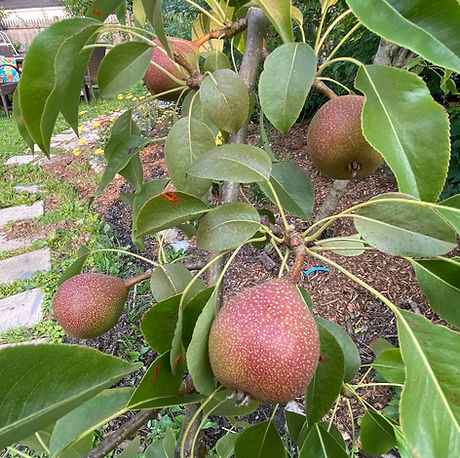
Backyard Pear Tree

Regenerating Soil and Reducing Waste
In permaculture systems, waste is viewed as a resource. Organic matter like leaves, wood chips, food scraps, and compost are used to build soil fertility, retain moisture, and support beneficial organisms.
Healthy soil is the foundation of everything we design.
Soil Building Comfrey plants
Integrating Animals
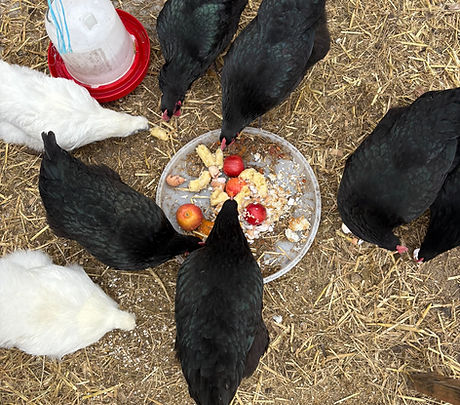
Animals can be a valuable addition to your permaculture system. They can eat weeds, reduce pests, turn soil, fertilize, and produce food for you. As well as being a fun pet!

Indoor Mushroom Grow
Indoor or Outdoor Applications
Permaculture isn’t limited to large properties. The same principles can be applied on small lots, patios, or indoors through projects like mushroom cultivation, container growing, and aquaponics systems.
Moving Beyond the Lawn
Traditional lawns require constant inputs—mowing, watering, fertilizers, and chemicals—while offering little ecological or practical return. Permaculture design replaces underused lawn space with functional landscapes that support native plants, manage water naturally, and provide food, habitat, and seasonal interest. The goal isn’t to eliminate open space, but to make every part of the landscape work harder and more thoughtfully.
